
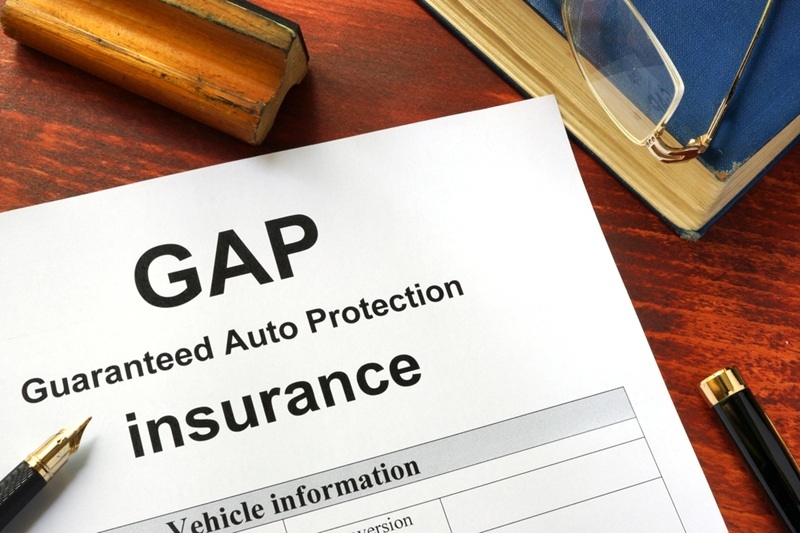
Do you really need gap insurance? If you are a car buyer looking for gap insurance, you likely researched terms related to gap insurance, including gap insurance coverage and gap insurance policy, as well as asking, "Is gap insurance worth it?" Knowing the information above can help you protect yourself financially if your auto is totaled or stolen. Simply stated, gap insurance fills the "gap" between the amount still owed on your vehicle loan and the actual cash value of your vehicle at the time of the loss. This article will explain all of the ins-and-outs of gap insurance, so you have everything you need to make informed decisions about your vehicle.
Gap insurance coverage pays the difference between your car’s actual value and the remaining loan balance if it’s totaled or stolen. This protection prevents you from paying out of pocket for a vehicle you no longer own. It matters because cars depreciate quickly, making financial gaps common in the early years of ownership.
The purpose of Gap Insurance is to protect you from a financial loss when your vehicle depreciates more quickly than your loan balance lowers. The National Association of Insurance Commissioners (NAIC) and the Federal Trade Commission (FTC) have documented how quickly cars depreciate - sometimes by 20% on the first day alone.
If your car is a total loss due to an accident or theft, your auto insurance policy will pay out what the car is worth at the time of the loss. Your loan or lease could still be higher than what your auto insurance covers; this is where Gap Insurance comes into play.
Expand Your Knowledge: How to Compare Personal Insurance Policies Without Overpay
Gap Insurance helps bridge the gap between your loan or lease balance and what your insurance will pay.
Example: You owe $25,000 on your loan; however, the actual cash value of your vehicle is $20,000. Gap Insurance would pay the $5,000 difference. Gap Insurance is also very beneficial for financed and leased automobiles for this reason.
If you made a small down payment (less than 20%) on your new vehicle, are currently carrying a long-term loan (60+ months) on it; are leasing the vehicle, or purchased a vehicle that has high depreciation value, then you should most certainly consider covering the gap in case of an accident by purchasing GAP insurance coverage.
In these situations, the question of whether or not you should consider [GAP insurance] is much less about whether or not such coverage is worth it, and much more about being financially smart to protect yourself.
Gap insurance may be beneficial for you if you owe even more on your vehicle than its current value; this will help you not be responsible for paying the difference on any total loss. Gap insurance is affordable and provides a high level of peace of mind, particularly for new or financed vehicles. Yet if the remaining balance on your loan is small, there may not be a need for insurance coverage after all.
Whether to purchase gap insurance depends largely on one's finances; therefore, this question can be answered either way. For most drivers, however, the answer would be yes, especially in the first few years of a loan, when depreciation is at its highest.
Purchasing a gap policy gives the buyer peace of mind, knowing they will not be left with the additional cost of paying for a car they no longer own due to an accident, as well as any unexpected out-of-pocket expenses they may incur.
Thought You’d Find This Useful: What Does Disability Insurance Cover & When Do You Need It?
There are several key benefits of purchasing a gap insurance policy:
The aforementioned benefits demonstrate why the majority of drivers would say yes to this question (is gap insurance worth it?), especially considering that they would be considered to be at high risk financially.
While gap insurance is beneficial, there are situations where it may be unnecessary. Some of these situations may be as follows:
In such instances, the answer to the question "Is gap insurance worth it?" may lean towards no.
To find the best coverage options for gap insurance from different providers, compare policies offered through lenders, dealerships, and insurance companies. Use this comparison to compare the prices of each option and focus on finding a policy that has simple coverage limits and flexible cancellation terms. You want to choose a gap insurance policy that will provide you with the full benefit of the policy without paying more than necessary.
Gap Insurance Can Be Purchased From:
When selecting a gap insurance program, look at the following 4 factors:
Doing so will help you evaluate whether you will need gap insurance compared to the policies you are looking at.
Typically, gap insurance coverage costs about $20-$40 per year when added to a car policy ($500-$700 for an initial one-time dealer purchase). Given potential cost savings from gap insurance, many people believe it is worth purchasing, particularly from an insurance company.
Most people have the mistaken notion that "gap insurance" covers repairs; it's only applicable if an automobile is 'totaled' or 'stolen'. Another common misconception is that GAP replaces full coverage; in fact, GAP works in conjunction with a typical insurance policy. Knowing these myths gives you an opportunity to cut through the confusion around GAP coverage and to be better informed when determining the level of coverage you will purchase.
Gap insurance covers you when your vehicle has been determined to be a total loss and does not cover anything that happens to your car other than that, including repair of damages done or normal maintenance.
Is Gap Insurance the Same as Full Coverage (i.e., Damage, Repair, Maintain)?
No, full coverage means you have collision and comprehensive insurance, while gap insurance only covers the difference between the amount you owe on your car (the loan) and the vehicle's actual market value.
Yes, typically with most insurance companies, they will allow you to cancel (the gap policy). Additionally, if you pay off your car loan, you may qualify for a partial refund.
Is it Possible to Get Gap Insurance? The short answer is no, but if you finance your car, you’ll probably want to know whether you need gap as an extension of your regular auto insurance.
The answer to this question depends on several factors, including the lender, the loan amount you owe on your current car, your risk tolerance, and your ability to pay back the remaining principal on your financing agreement. If you have a very small down payment and no equity, then yes you need gap.
Many drivers can determine whether gap insurance is beneficial based on the peace of mind it provides. If there’s an accident and you go to pick up your car and it’s been damaged beyond repair, you’re going to have a significant financial burden on your future. If you have the right policy in place, you will have the confidence to drive your vehicle again without worrying about carrying that additional financial burden.
Gap insurance is coverage to help pay the difference between what your vehicle is worth when it’s stolen or damaged and how much you still owe on it. If your vehicle depreciates considerably and you owe more than it’s worth, gap insurance could be beneficial.
Yes! Gap insurance might be worth it if your vehicle depreciates quickly. This will help protect you financially if you total your vehicle before the amount you owe on it has decreased.
Yes, most companies allow customers to cancel their gap liability insurance. Whenever you find out your loan balance has declined to less than your car’s value, you may not need the gap insurance, and you should be eligible for a refund of any premium you paid.
Yes, if your car is stolen and considered a total loss, your gap insurance will cover the remaining balance of your auto loan after the insurance company pays the total loss amount, as determined by them.
This content was created by AI